
Stop Chasing Cloud Costs After Deployment: Design for Efficiency from Day One
Because sustainable cost control is an outcome of good architecture.

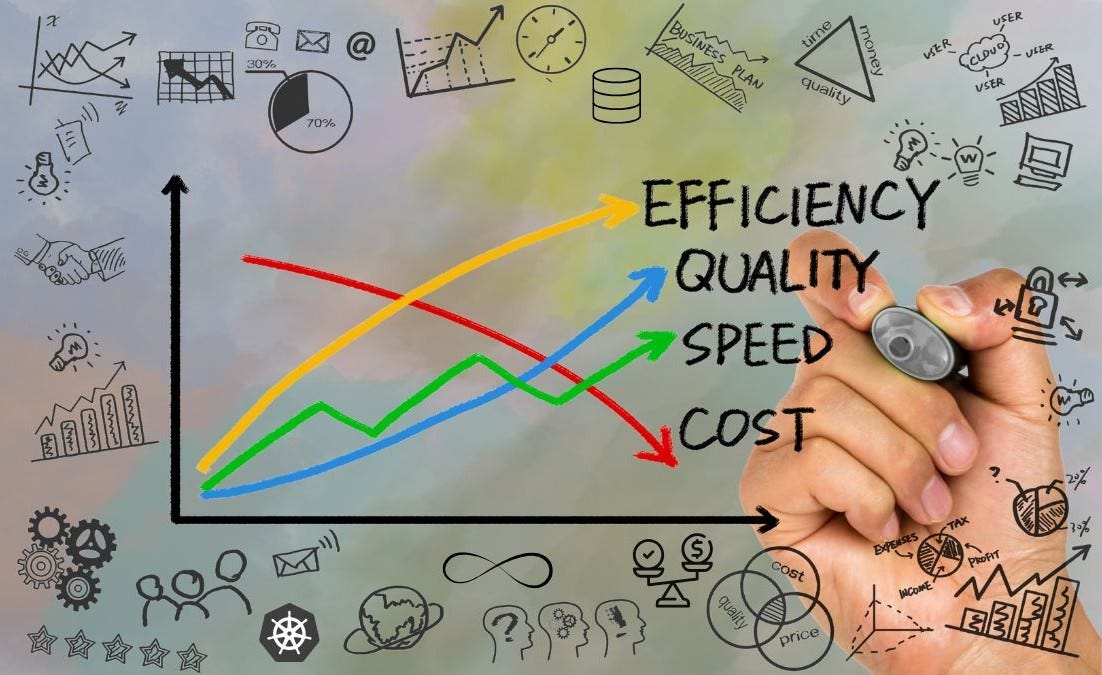
Here’s the truth I’ve learned over years and working with numerous clients:
If you’re trying to control cloud costs after your app is live, you’re fighting an uphill battle war. You may win the battle with cost-cutting techniques, but the fight is far from over.
Cloud costs aren’t a budgeting problem; they’re an architectural outcome.
Every choice your team makes early on: how your system scales, stores data, or integrates, quietly defines your cost curve. Once that’s deployed, most of the “easy levers” are gone.
I’ve seen teams spend months chasing waste in dashboards when the real issue was baked into the architecture.
But here’s the good news: you can design your way out of it.
We treat cost as a design parameter, not an afterthought. When we sit at the whiteboard with clients, we draw systems and shape the economics of it. Because architecture defines economics. The best and most worthwhile cost discussions happen before deployment, not after the bill lands.
Moving from Reaction to Design Discipline
Most teams are encouraged to start cost optimization by cutting idle resources, resizing instances, cleaning up unused storage, or chasing better commitment pricing. This is reactive.
And hey, that’s a good start. Our team does this every day. We rightsize, apply schedules, leverage purchase options, and find savings through data and automation.
But that’s only half of the journey.
The deeper issues that drive long-term inefficiency live inside the architecture itself.
We call this architectural cost engineering. We need to think about aligning workloads with the most efficient [cloud or on-prem] services, which may include containerizing legacy apps, using serverless for burst traffic, adopting event-driven design for elasticity, smart data tiering to lower storage spend, or even keeping some data on-prem.
When we dive into an application, we aim to design for the cost structure at its foundation.
Short-term optimization saves money. Architectural design changes how money is spent.
Building for Long-Term Sustainability
The goal isn’t just to make your next AWS bill smaller (ok, that’s actually valid, but short-sighted). The real objective is to make your entire environment structurally efficient for the long haul.
Our approach is twofold:
Capture immediate savings through data-driven optimization.
Re-architect for lasting efficiency through modernization and design discipline.
Because sustainable cost control is also an outcome of good architecture.
Design for efficiency from day one, and the cloud will reward you, not punish you, as you grow.
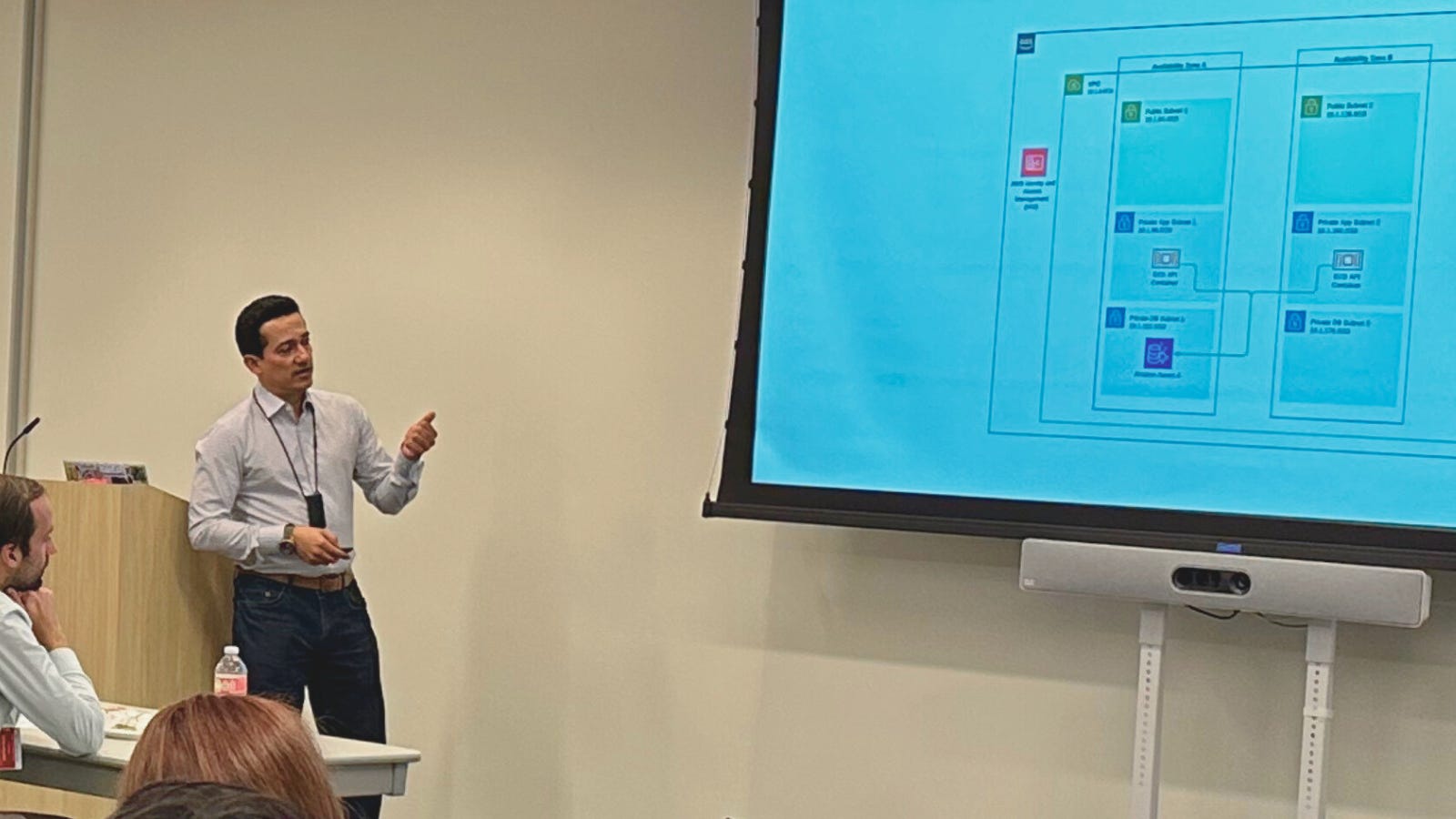
I could (and sometimes do) talk about this all day. See pic.
I’ll be writing a whole lot more on #1 and #2 above, so subscribe to get those Substacks as soon as they go live. In the meantime, you may find thesecloud optimization articles useful:


For teams who need deeper visibility and clarity, our free platform Kalos helps track cost and security compliance in one place, with AI insights that show exactly where to optimize and how to stay compliant.